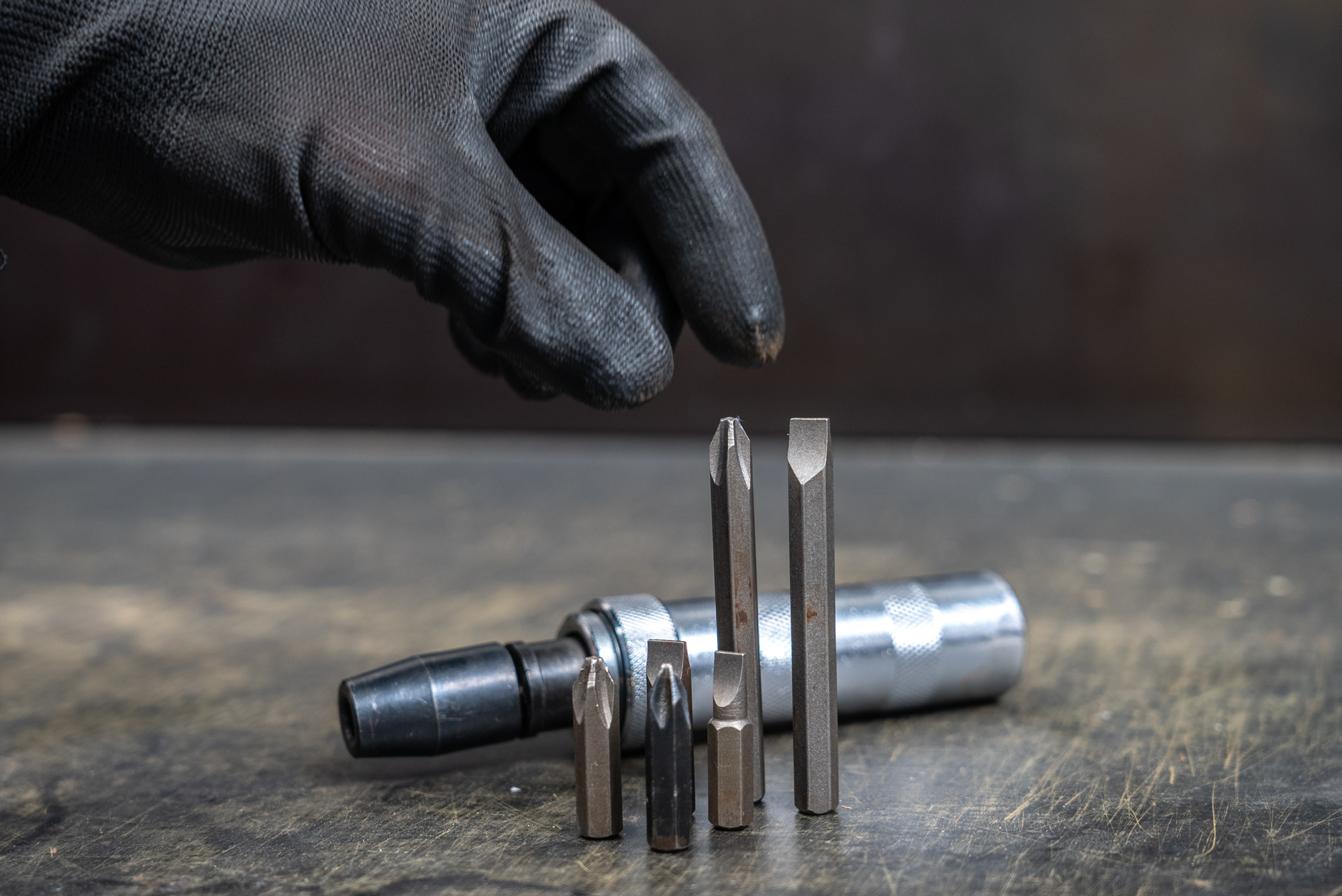
An impact screwdriver is a manual tool designed to loosen seized or rusted screws by converting rotational force into downward force when struck.
I remember the first time I faced a rusted bolt on an old car engine. I spent hours wrestling with a standard driver until a friend handed me an impact screwdriver. It was a game changer. If you have ever felt the frustration of a stripped screw head or a stubborn fastener that simply refuses to budge, understanding what an impact screwdriver is used for can save you from a world of headache. In this guide, I will walk you through how this powerhouse works, when to use it, and how it can become the most valuable tool in your garage.
The Mechanics of an Impact Screwdriver
At its core, an impact screwdriver functions through a clever bit of mechanical engineering. When you strike the back of the tool with a hammer, an internal cam mechanism translates that blunt force into a small, sudden burst of rotational torque. This movement is designed to break the friction seal of a frozen screw without stripping the head.
Unlike a standard screwdriver, which relies entirely on your wrist strength, the impact screwdriver uses physics to do the heavy lifting. This makes it essential for automotive repairs, furniture restoration, and any project involving hardware that has been exposed to the elements for years.

Common Uses for an Impact Screwdriver
You might wonder why you need a specialized tool for screws. The reality is that standard drivers are prone to slipping, which destroys screw heads. Here is where an impact screwdriver shines:
- Removing seized screws from metal panels or engine blocks.
- Loosening rusted hardware on outdoor equipment or garden machinery.
- Extracting screws that have been over-tightened or painted over during home renovations.
- Working on vintage motorcycles or classic cars where original screws are often corroded.
In my experience, I always keep one nearby when working on older metal projects. Even if the screw looks decent, a quick tap can ensure it comes out clean, saving me from having to drill it out later.
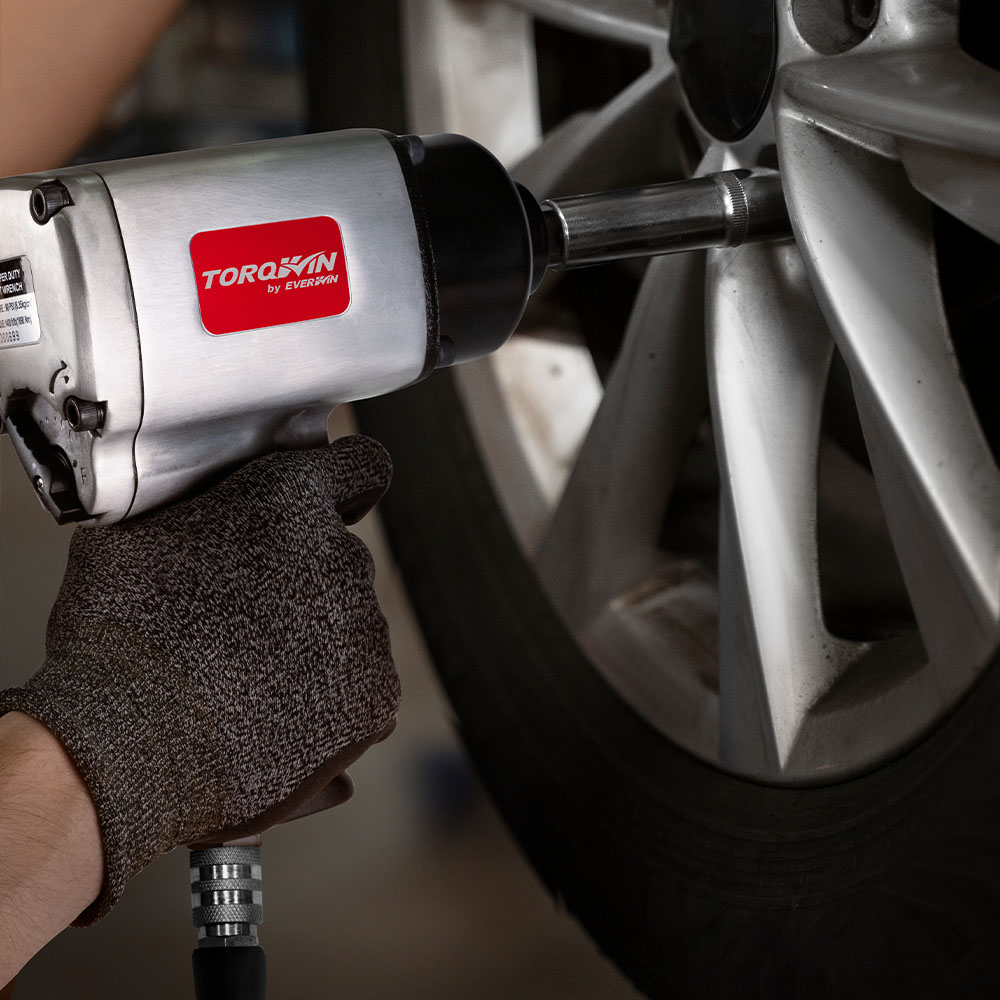
Benefits of Using an Impact Screwdriver
The primary benefit is the significant reduction in stripped fasteners. Because the tool applies downward pressure simultaneously with the turning motion, it stays seated in the screw slot much more effectively than a standard driver.
Another major benefit is versatility. Most impact screwdrivers come with a set of interchangeable bits, meaning you can handle Phillips, flathead, and hex fasteners with the same tool. It acts as a bridge between a delicate manual tool and a high-powered electric impact driver, giving you more control in tight spaces.
Limitations and Safety Tips
While this tool is incredibly effective, it is not for every situation. You should never use an impact screwdriver on delicate materials like wood or plastic, as the force could crack the surface or drive the bit straight through the item.
Always wear safety glasses when using this tool. Since you are striking a metal tool with a hammer, there is a small risk of metal shards flying if the bits are worn or the fastener is exceptionally brittle. Start with lighter taps to see how the fastener reacts before applying full force.

Frequently Asked Questions of what is an impact screwdriver used for
Can I use an impact screwdriver on wood?
It is not recommended to use an impact screwdriver on wood because the intense force can easily split the timber or damage the material. This tool is specifically engineered for metal fasteners found in automotive and mechanical applications.
Do I need a special hammer for this?
A standard ball-peen or claw hammer works perfectly fine for most impact screwdrivers. Just ensure the hammer head is heavy enough to provide a solid strike to trigger the internal mechanism.
Does an impact screwdriver tighten screws?
Yes, most models are reversible, allowing you to tighten screws as well as loosen them. However, it is primarily used for removing stubborn or seized fasteners rather than general assembly.
Will it work on a completely stripped screw?
An impact screwdriver can often help with a slightly damaged head, but it is not a miracle worker for fully stripped screws. If the slot is completely gone, you may need a dedicated screw extractor set instead.
Is an impact screwdriver the same as an impact drill?
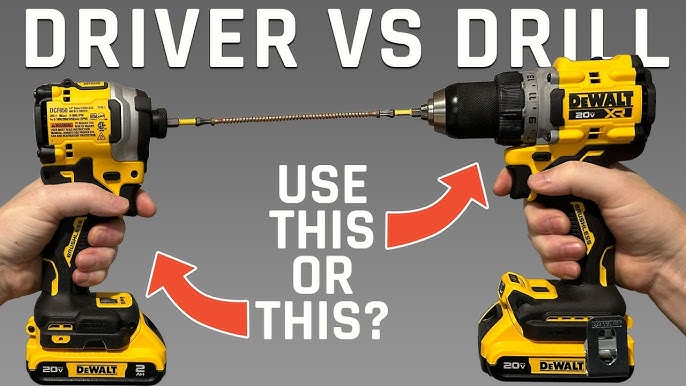
No, an impact screwdriver is a manual hand tool, whereas an impact drill is a motorized power tool. The manual version offers more tactile feedback and is safer for delicate mechanical parts.
Conclusion
Mastering the use of an impact screwdriver turns a nightmare repair task into a straightforward job. By converting simple hammer strikes into controlled, high-torque rotations, this tool protects your hardware and your sanity. Whether you are a classic car restorer or a weekend DIY enthusiast, having this tool in your kit ensures you are prepared for the toughest fasteners. Next time you encounter a rusted, stubborn screw, do not force it with a standard driver; grab an impact screwdriver and let physics do the work for you. Reach out to your local hardware shop to find a quality set today and start tackling those seized projects with confidence.