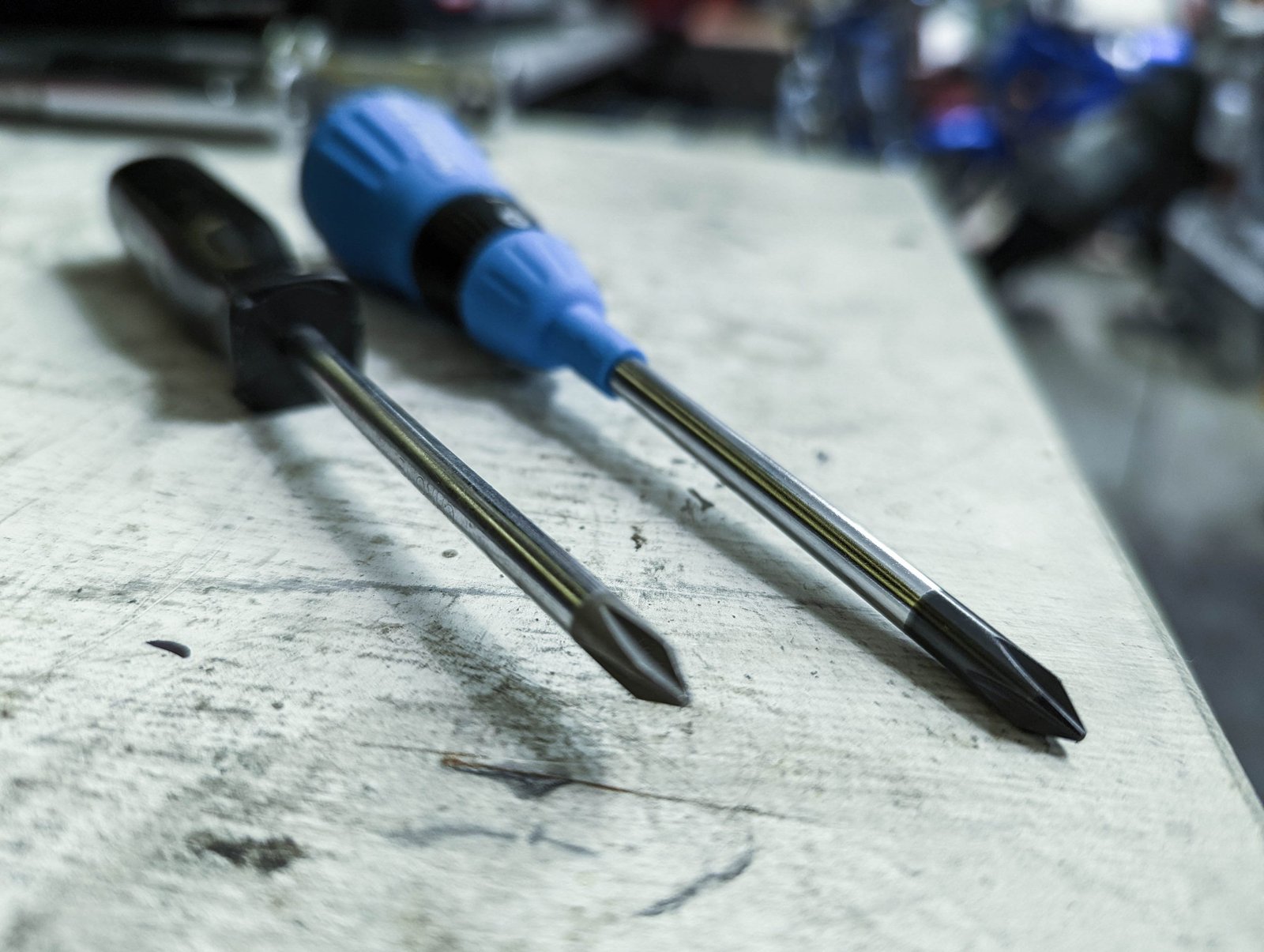
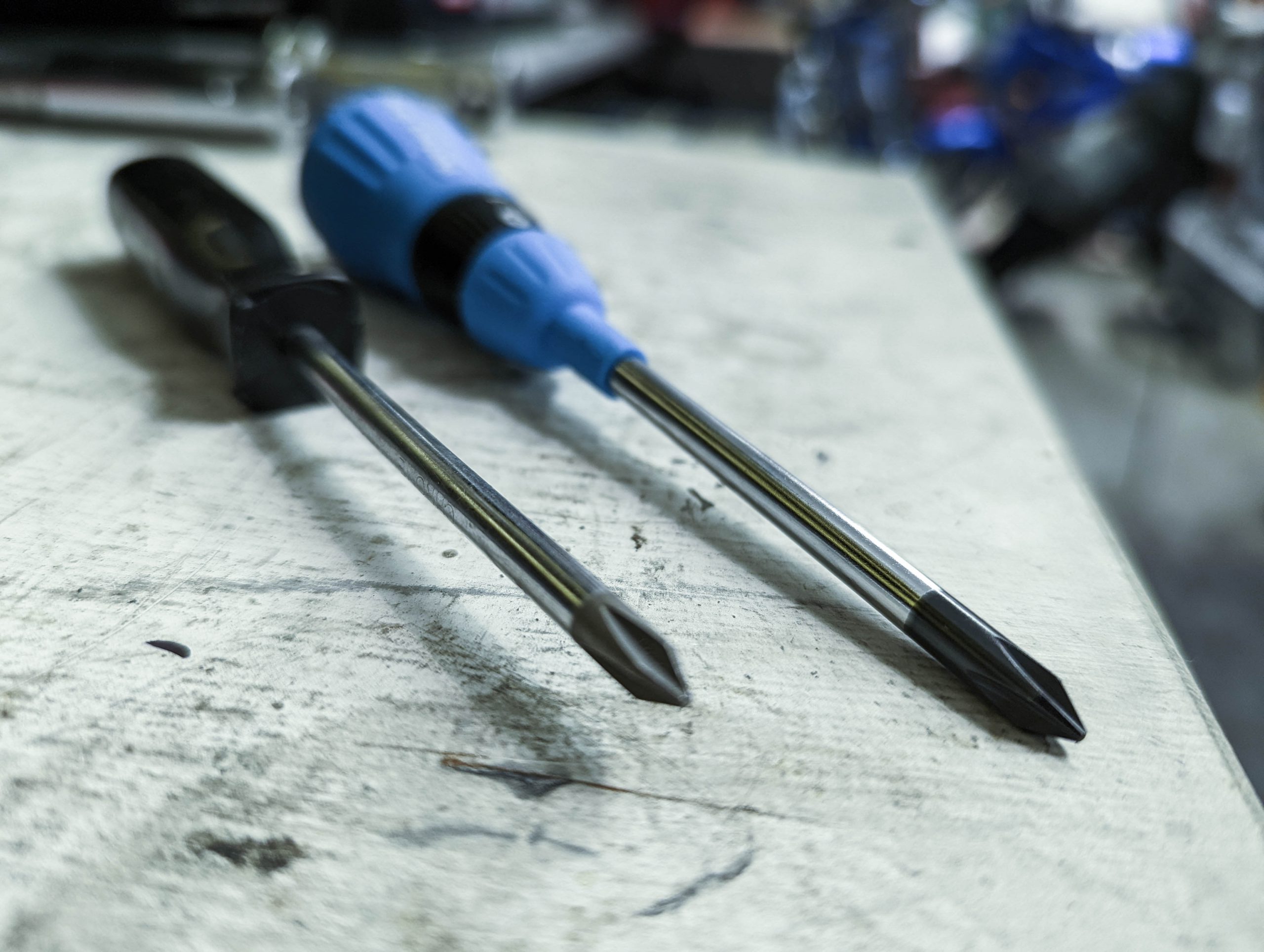
A Phillips screwdriver features a cross-shaped tip designed to fit perfectly into the corresponding X-shaped recess of screws.
Understanding what does a phillips screwdriver look like is a fundamental skill for anyone getting started with home repairs or DIY projects. I still remember the first time I tried to assemble a bookshelf, only to realize I had grabbed a flathead tool instead of the right one. It was a frustrating lesson in tool recognition, but it taught me exactly how to identify the right implement for the job. In this guide, I will help you master the visual characteristics of this essential tool so you never pick the wrong one again.
Identifying the Phillips Screwdriver
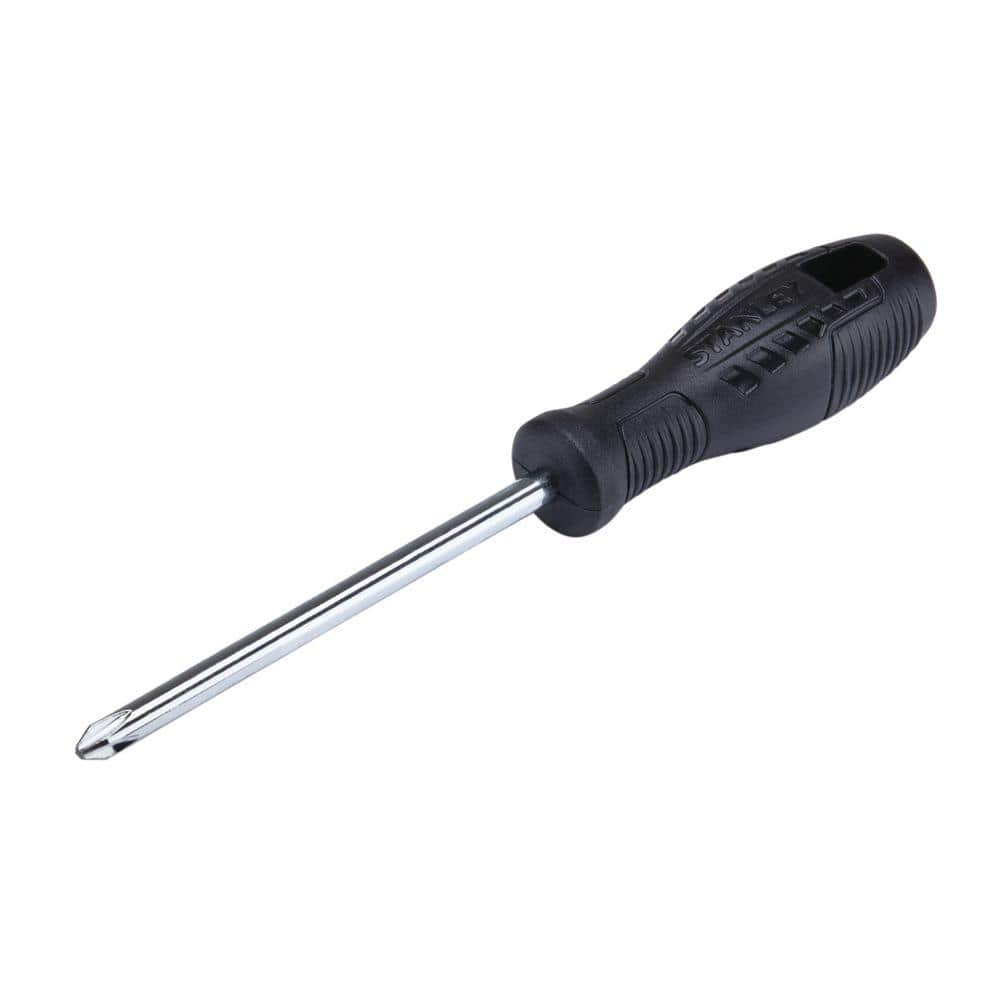
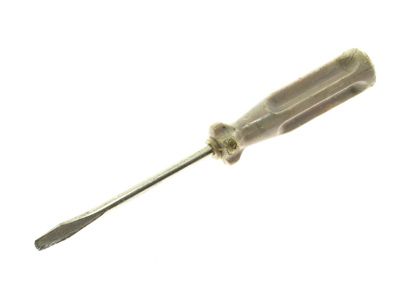
The most defining feature of a Phillips screwdriver is the tip. Unlike a flathead driver that has a single, straight blade, the Phillips version sports a distinct cross shape. This design was engineered to allow the driver to cam out, or slip out, if too much torque is applied, which helps prevent damaging the screw or the material it is driven into. When you look at the business end of the tool, you will see four distinct wings or blades that radiate from the center point.
Beyond the tip, the shaft of the tool is typically made of hardened steel to withstand the pressure of turning screws. You will find that these screwdrivers come in various sizes, ranging from very small, precision versions for electronics to large, heavy-duty ones for construction work. Learning what does a phillips screwdriver look like involves recognizing this range of sizes, often labeled as PH0, PH1, PH2, and PH3. The larger the number, the bigger the tip and the shaft diameter.
In my years of working on various projects, I have learned that the handle is just as important as the tip. A high-quality Phillips screwdriver usually features a textured, ergonomic handle to provide better grip and torque control. If the handle feels slippery or too small for your hand, you might struggle to keep the tip seated in the screw head. Always look for a handle that fits your palm comfortably, as this makes a significant difference during long tasks.
Why the Design Matters
The cross-head design is not just a random shape; it serves a specific engineering purpose. By providing four points of contact, the tool ensures better centering when you engage it with the screw. This self-centering action is why Phillips fasteners became so popular in manufacturing and assembly lines. If you have ever wondered why your screws do not wobble, it is because of how the Phillips screwdriver interface locks into the fastener.
However, there is a common pitfall I see beginners fall into all the time. Using the wrong size of Phillips screwdriver can lead to stripping the screw head. If the tool is too small, it will wobble and chew up the metal of the screw. If it is too large, it will not seat deeply enough into the recess. This is why knowing what does a phillips screwdriver look like in different sizes is vital for preserving your hardware.
If you are unsure if you have the right tool, try this simple test. Insert the tip into the screw and gently wiggle it. If the driver feels loose or does not sit flush against the bottom of the cross, you likely need a different size. In my experience, keeping a multi-piece set in your toolbox ensures you always have the right fit for the job, saving you from the headache of a stripped screw head that refuses to turn.
Frequently Asked Questions of what does a phillips screwdriver look like
How can I tell a Phillips from a Pozidriv screwdriver?
While they look similar, a Phillips tip has straight-sided wings, whereas a Pozidriv tip includes smaller secondary wings between the main ones. If you look closely, you will see the extra ribs on a Pozidriv that help it grip better in high-torque applications.
Can I use a Phillips screwdriver on a flathead screw?
You should never do this, as the Phillips tip will not seat properly in the flat slot. This will almost certainly damage the screw head and make it nearly impossible to turn.
What does a phillips screwdriver look like in very small sizes?
Small, or precision, Phillips screwdrivers feature very thin, needle-like shafts with tiny cross-shaped tips. These are specifically designed for delicate work like repairing eyeglasses, laptops, or small toys.
Does the color of the handle indicate the size?
Many manufacturers use color coding on the handles or the base of the shaft to denote different sizes, though this is not a universal standard. It is always safer to check the size etched into the steel shank of the screwdriver itself.
What should I do if my screwdriver tip gets worn down?
Once the metal edges of the cross-shaped tip become rounded or deformed, it is time to replace the tool. A worn-out tip is the primary cause of stripped screws and will eventually make your project much harder to complete.
Conclusion
Mastering the appearance of your tools is the first step toward becoming a confident DIY enthusiast. Now that you know exactly what does a phillips screwdriver look like, you can approach your next repair project with the right equipment and the knowledge to avoid common mistakes. Remember to choose the correct size to prevent stripping screws and always prioritize comfort and grip when selecting your tools. Grab your set, head to your workbench, and start your next project with total peace of mind. If you found this guide helpful, feel free to share it with a friend or leave a comment below about your favorite DIY hack!