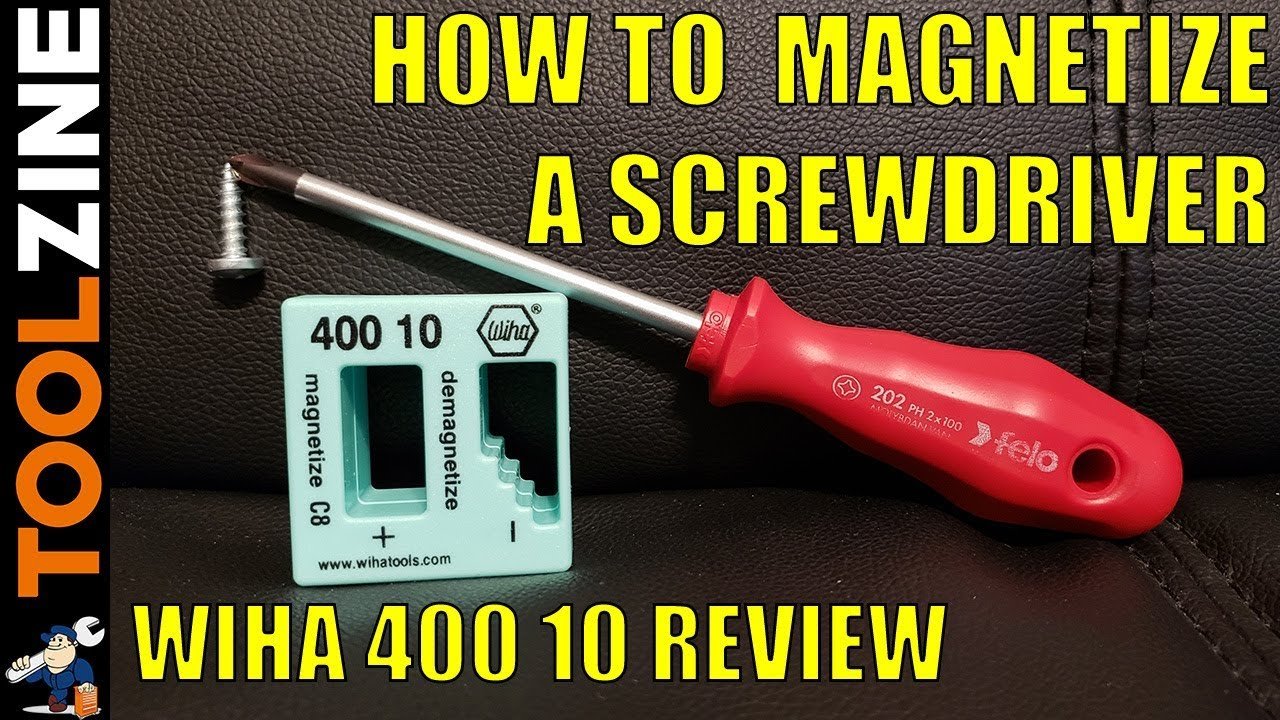
You can easily magnetize a screwdriver by rubbing a strong permanent magnet along its metal shaft repeatedly. Having a magnetized tool is one of those small DIY hacks that saves you from constant frustration. I remember struggling to reach a loose screw deep inside a computer case, only to drop it repeatedly; learning how to magnetize a screwdriver changed how I approach every project in my garage. Whether you are a weekend hobbyist or a professional contractor, understanding the mechanics behind this simple trick will make your life significantly easier.
Why You Should Magnetize Your Tools
There is nothing more annoying than trying to start a screw in a tight, dark space only for it to fall off the tip of your tool. When you magnetize a screwdriver, you gain a third hand that holds the hardware firmly in place. This makes one-handed work possible, especially when you are balancing on a ladder or working with awkward angles.
I have found that this process is perfect for working with small electronics, cabinet hinges, or vehicle dashboards. Beyond convenience, it also prevents lost screws, which can be a nightmare to replace if they fall into your engine bay or behind a heavy appliance. Mastering how to magnetize a screwdriver is a rite of passage for anyone who enjoys working with their hands.

The Simple Method to Magnetize a Screwdriver
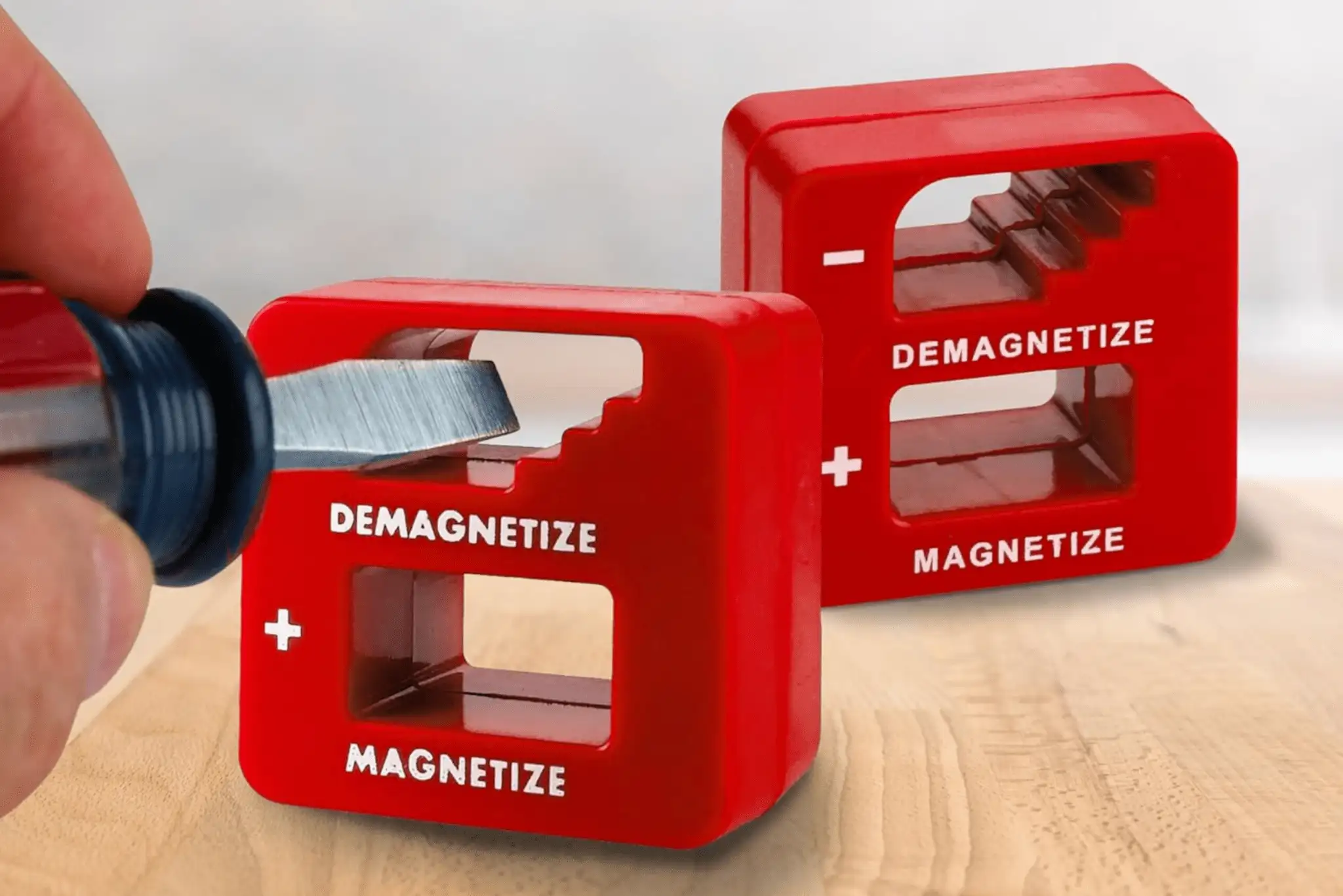
You do not need expensive equipment to get this done. All you need is a strong magnet, such as a neodymium magnet, which you likely have on your refrigerator. If you do not have a loose magnet, you can also use a dedicated magnetic tool charger block, which is a cheap, compact device sold at most hardware stores.
Follow these steps to effectively magnetize a screwdriver:
- Take your magnet and place it against the metal shaft near the handle.
- Stroke the magnet firmly toward the tip of the screwdriver, moving in one direction only.
- Lift the magnet away from the tool completely after each stroke.
- Repeat this motion about 20 to 30 times to ensure the magnetic field is strong enough.
- Test the tip against a small screw to see if it holds firmly.

Limitations and How to Demagnetize
While it is great to know how to magnetize a screwdriver, there are times when magnetism is a bad idea. If you are working on sensitive electronics, like hard drives or certain delicate circuit boards, a magnetized tip might cause data corruption or interference. In these instances, you will need to know how to demagnetize the tool.
To demagnetize your screwdriver, you can strike it against a hard surface, which creates vibrations that help scramble the magnetic alignment. Alternatively, you can apply heat to the metal, as high temperatures cause atoms to lose their organized magnetic orientation. If you want a clean slate, most store-bought magnetic chargers have a hole specifically designed for demagnetizing tools.

Frequently Asked Questions of how to magnetize a screwdriver
Can any screwdriver be magnetized?
Only screwdrivers made of ferrous metals, such as steel, can be magnetized. If your screwdriver is made of aluminum, brass, or stainless steel, it will not hold a magnetic charge.
Does the magnet get weaker over time?
Yes, the magnetism will naturally fade with regular use, vibrations, and time. When you notice your tool is no longer holding screws, simply repeat the magnetization process to restore its strength.
Will magnetizing a screwdriver damage it?
No, magnetizing a screwdriver does not affect the structural integrity or performance of the metal. It is a completely safe process that creates a temporary magnetic field within the existing metal properties.
Is it better to use a tool charger or a raw magnet?
A dedicated magnetic tool charger is often more efficient because it is designed to align the magnetic domains within the metal perfectly. However, a strong neodymium magnet is perfectly effective for most household needs.
Can I magnetize other tools too?
You can certainly use this technique on other steel tools like tweezers, hex keys, or small pliers. It works on any tool that contains iron and can be magnetized through the same rubbing method.
Conclusion
Taking the time to magnetize a screwdriver is a classic example of working smarter rather than harder. By simply aligning the magnetic domains in your tool, you eliminate one of the most common headaches in repair and construction work. Whether you are assembling furniture or fixing a delicate device, this quick hack will improve your efficiency and keep your workspace organized.
Now that you know the steps, grab a magnet from your fridge and try it on your most-used tool today. You will be surprised by how much time you save on your next project. If you found these tips helpful, feel free to share this guide with a fellow DIY enthusiast or leave a comment about your favorite tool hacks below!