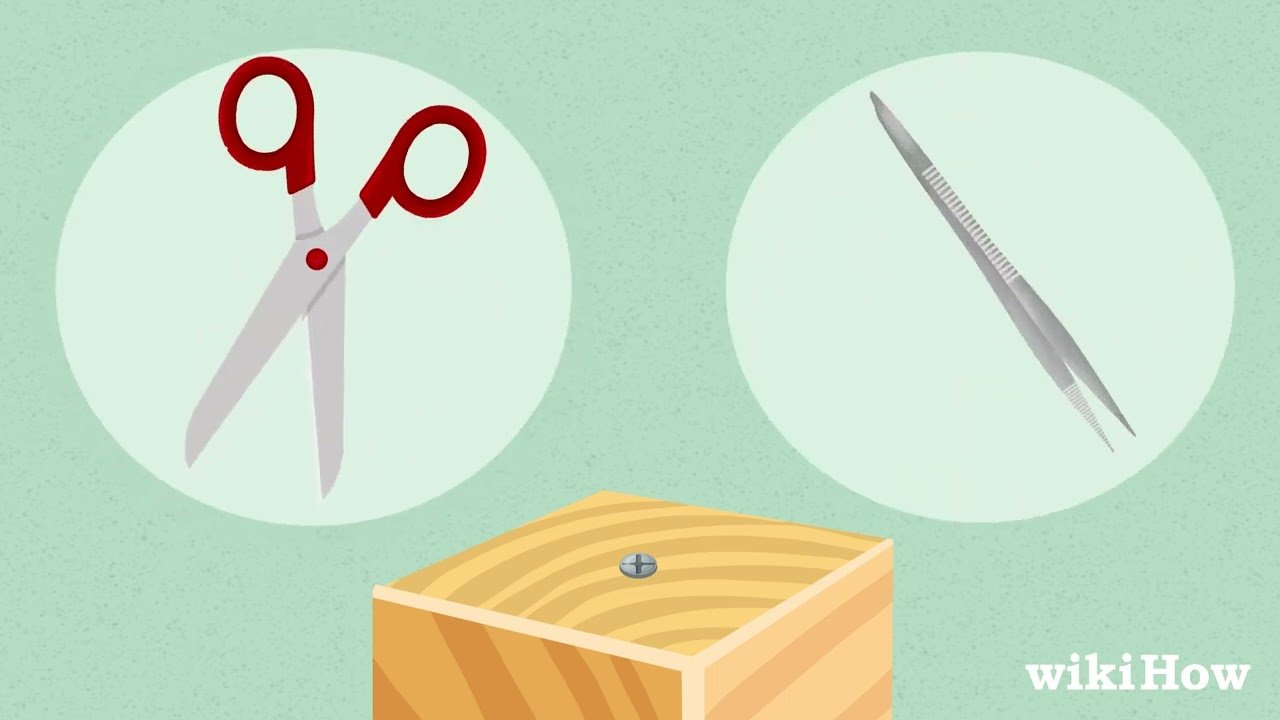
You can easily unscrew a screw without a screwdriver by using common household items like a butter knife, a coin, or even a pair of sturdy pliers to create enough leverage for removal.
We have all been there, staring at a loose hinge or a battery compartment, only to realize the toolbox is nowhere to be found. Over the years, I have found myself in countless situations where I had to learn how to unscrew a screw without a screwdriver on the fly. Whether you are stuck in a dorm room or just too lazy to walk to the garage, knowing these hacks is a life skill. Mastering how to unscrew a screw without a screwdriver turns a frustrating bottleneck into a quick, satisfying fix. By using simple physics and the right tools already in your junk drawer, you can get the job done safely without stripping the metal. Let’s dive into the best methods to help you out when you are in a pinch.

Best Household Tools for Manual Removal
When you need to know how to unscrew a screw without a screwdriver, the first step is looking for something flat and rigid. A kitchen butter knife is often the first go-to for many people because the tip is thin enough to fit into a standard flathead slot. If the screw is a Phillips head, you will need something that fits into the cross shape, like a small metal nail file or a sturdy pair of tweezers. The goal is to maximize surface area so the tool does not slip and damage the screw head.
Another reliable trick involves using a coin, such as a penny or a nickel. If the screw head is large, a coin provides excellent grip and leverage. I personally prefer using a dime for smaller, shallow slots because it fits snugly. If the screw is protruding from the surface, a pair of pliers is your best friend. Simply grip the head of the screw firmly and rotate it counter-clockwise to back it out.

Advanced Techniques for Stubborn Screws
Sometimes, simple tools just do not provide enough torque to turn a stuck fastener. If you are struggling with how to unscrew a screw without a screwdriver, you might need to create a new slot or add friction. If the screw head is completely stripped, take a thick rubber band and place it over the head. Then, press your makeshift tool hard against the rubber band to gain extra grip and prevent slipping.
Another effective method involves cutting a straight line across the top of the screw head using a hacksaw. Once you have created a clean notch, you can use a large flathead tool or even a metal ruler to twist it out. Just be careful not to damage the surrounding material while you are cutting. If the screw is rusted, apply a bit of penetrating oil or even dish soap to the threads to reduce friction before you attempt to turn it.
 screwdriver”
style=”max-width: 100%; height: auto; border: 2px solid black; border-radius: 10px; display: block; margin: 0 auto;”
loading=”lazy”
/>
Frequently Asked Questions of how to unscrew a screw without a screwdriver
### Can I damage the screw if I use the wrong tool?
Yes, using an ill-fitting tool can easily strip the slots on the screw head, making it nearly impossible to remove later. Always test the fit first to ensure the tool provides enough contact.
Is it safe to use a knife as a screwdriver?
While it works in an emergency, be careful because the blade can snap or slip, which might cause injury. Always point the knife away from your body and use gentle, steady pressure.
What if the screw is too deep in the hole?
If the screw is recessed, you will likely need a tool with a long, thin profile to reach it. If you cannot reach it, you may need to use a specialized screw extractor kit from a hardware store.
Can pliers remove every type of screw?
Pliers only work if the screw head is exposed enough for you to get a firm grip on the edges. They are not effective for screws that are flush with or below the surface of the material.
Should I use force if the screw won't turn?
You should avoid using excessive force, as this often leads to stripping the metal or breaking your tool. If it does not turn, try applying a lubricant or heat to loosen the threads first.
Conclusion
Knowing how to unscrew a screw without a screwdriver is a handy skill that saves time and keeps your projects moving forward. By choosing the right makeshift tool and applying steady pressure, you can handle most minor repairs with ease. Whether you reach for a coin, a butter knife, or pliers, remember that patience is often the most important part of the process. I encourage you to try these methods next time you encounter a stubborn fastener, but always keep safety in mind. If you found these tips helpful, feel free to share your own favorite household hacks in the comments below!